Getting into University of North Carolina School of Medicine
The University of North Carolina School of Medicine is a public flagship in Chapel Hill with a deep service-to-state mission and a strongly in-state class. It publishes its numbers honestly — a total GPA, a science GPA and an MCAT. No admission odds here, just verified facts and how to read them.

Updated September 2026 · 2026–2027 cycle · figures cited to UNC's official admissions pages
What is UNC's mission — and what does it signal?
UNC's admissions identity is built around service to North Carolina — its own materials organize around themes of primary care, achievement, research, opportunity, and service to state, and it describes looking for "curious, service-driven future physicians."3 The signal is clear: UNC wants people who will invest in the state's communities, and it backs that with a strongly in-state class.
What makes UNC distinctive?
The defining fact is its in-state focus: UNC gives an explicit preference to North Carolina residents.1 Residency is determined through the state's centralized Residency Determination Service. For NC applicants, that's a genuine home-state advantage; for everyone else, it's an honest signal that out-of-state admission is far more competitive.
What GPA and MCAT does UNC look for?
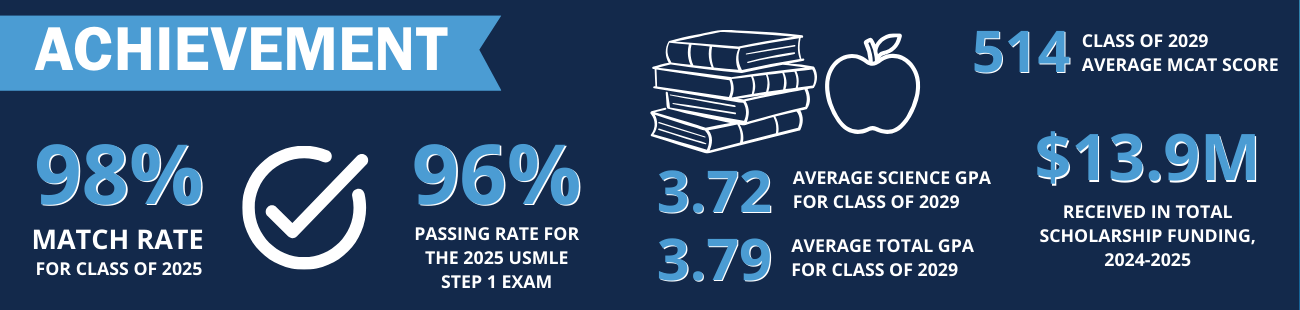
UNC publishes a mean total GPA of 3.79 and an average science GPA of 3.72 for the Class of 2029, along with an average MCAT of 514 across 230 matriculants.1 As always, these are the center of a strong class, not a bar to clear — UNC reviews holistically.
How does UNC review applicants — and what does it ask for?
UNC requires three letters (with up to two optional, for a maximum of five), and a pre-health committee letter can count as the three required.2 It recommends that at least two come from professors. The MCAT must be completed within three years of matriculation. UNC's official pages don't list a CASPer or AAMC PREview requirement — confirm the current cycle's expectations before you apply.
Does UNC use the MMI — and what is the interview like?
Here's an honest caveat: UNC confirms that interviews are conducted virtually, running from roughly September through winter, but its public pages don't specify whether the format is a traditional interview or a multiple-mini-interview (MMI).2 Confirm the format in your invitation. Either way, plan to speak substantively — virtually — about your path and your commitment to North Carolina.
How much does UNC cost?
For 2026–27, UNC publishes North Carolina-resident tuition and fees of about $35,094 and non-resident tuition and fees of about $63,419.4 As a public school with a state mission, in-state residents pay materially less. The full cost of attendance (adding housing, food, books, and insurance) is higher — confirm the current figures on UNC's official cost page.
A public flagship that means it about serving its state.
UNC's story is service to North Carolina, backed by an explicit preference for its residents. The published means are the center of a strong class, not a gate. For North Carolinians drawn to primary care and community service, that's a real fit; for out-of-state applicants, read the residency numbers honestly. A read on fit, not a prediction — we publish no odds.
See exactly where you stand — at UNC and every school on your list
Preceptorly is admissions software built by a practicing physician. It matches your real numbers to each school's published averages — never fake odds — and coaches the parts that actually decide your cycle:
Keep going
Frequently asked
What GPA and MCAT do you need for the UNC School of Medicine?
UNC publishes a mean total GPA of 3.79 and an average science GPA of 3.72, with an average MCAT of 514, for the Class of 2029. These are matriculating-class means, not cutoffs, and UNC reviews holistically.
Is UNC's 3.79 a science GPA?
No. UNC's 3.79 is the mean total GPA; its average science GPA is 3.72 (both Class of 2029).
Does UNC use an MMI?
UNC confirms its interviews are conducted virtually but does not publicly specify whether the format is traditional or a multiple-mini-interview. Confirm the format in your invitation.
How hard is it to get into UNC as an out-of-state applicant?
UNC gives an explicit preference to North Carolina residents and does not publish an in-state share, so we can't say how large the out-of-state group is. Confirm current details with the school.
How many letters of recommendation does UNC require?
Three letters are required (up to two more optional, for a maximum of five), and a pre-health committee letter can count as the three required. At least two are recommended to come from professors.
How much is tuition at the UNC School of Medicine?
For 2026–27, UNC publishes resident tuition and fees of about $35,094 and non-resident of about $63,419, before housing and other costs. Confirm the current cost of attendance on UNC's official page.
Sources — UNC official pages
- Class of 2029 averages (total GPA, science GPA, MCAT) — official achievement graphic: med.unc.edu — achievement graphic; class size (entered 2025): UNC white coat ceremony news; residency and requirements ("FAQs"): med.unc.edu — admissions FAQs
- Requirements, letters, MCAT policy & interview logistics: med.unc.edu — admissions requirements & how to apply
- Mission & "service to state" identity: med.unc.edu — about our students
- Tuition & cost of attendance (2026–27, confirm current figure): med.unc.edu — cost of attendance
Preceptorly is not affiliated with this school and does not represent it. Figures are the school's own most recently published class data and are averages, medians, or ranges as labeled — not cutoffs. No acceptance rate or admission odds are shown or implied; this page does not predict admission. Tuition is the published tuition line only, before fees, insurance, and living costs. Always confirm current requirements and figures on the school's official pages.